Our Favorite Veggie Varieties:
These are the seed varieties we grow year after year in our own home garden because they’re just that good. We’re located in a little 5b microclimate but surrounded by zone 6a. You can find your gardening zone via the USDA Plant Hardiness Zone Map.
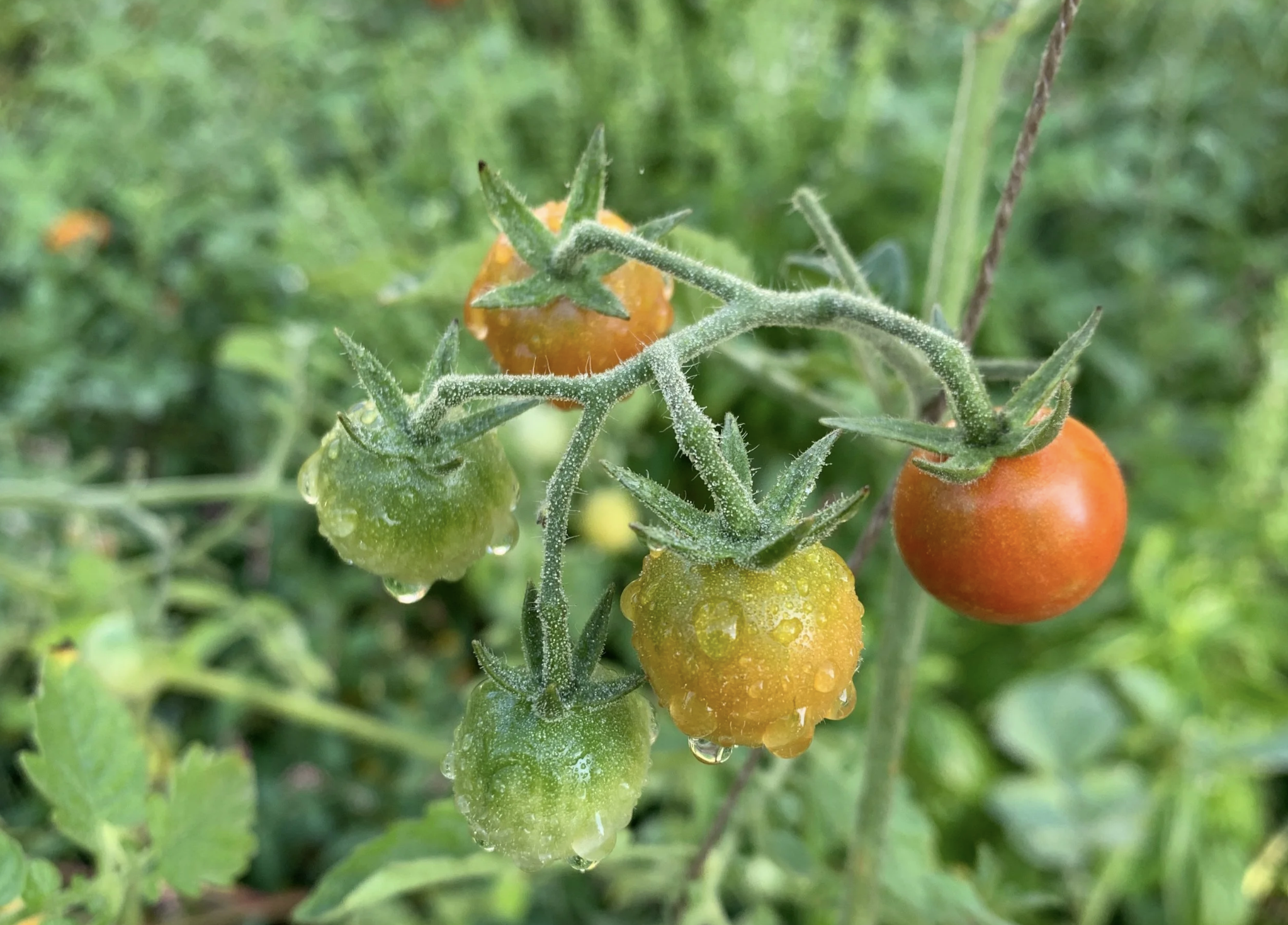
Mexico Midget Cherry Tomato
Our go-to cherry tomato for the past 9 years. This tart little cherry tomato germinates beautifully, yields prolifically, and tastes incredible. It’s a vining (indeterminate) tomato and can grow up to 12 feet tall- we give it something to climb and let it take over. Its fruit is great fresh, roasted (try them in that greek feta pasta dish or this preserving recipe), frozen whole to use all winter in cooking, added to canned sauces, and dehydrated (this is our top pick for a dehydrated or sun-dried tomato- just slice them in half before drying). It grows fabulously in the ground, raised beds, or 25 gallon fabric pots.
Begins yielding 60-70 days from transplant (which in Northeastern PA is around Late July) and keeps going till our first frost. The tomatoes will grow to ½-¾ inch and are ripe when red.
We’ve loved this plant as much in zone 5b as we did living in 9b. We start all our tomato seeds the first week in April.
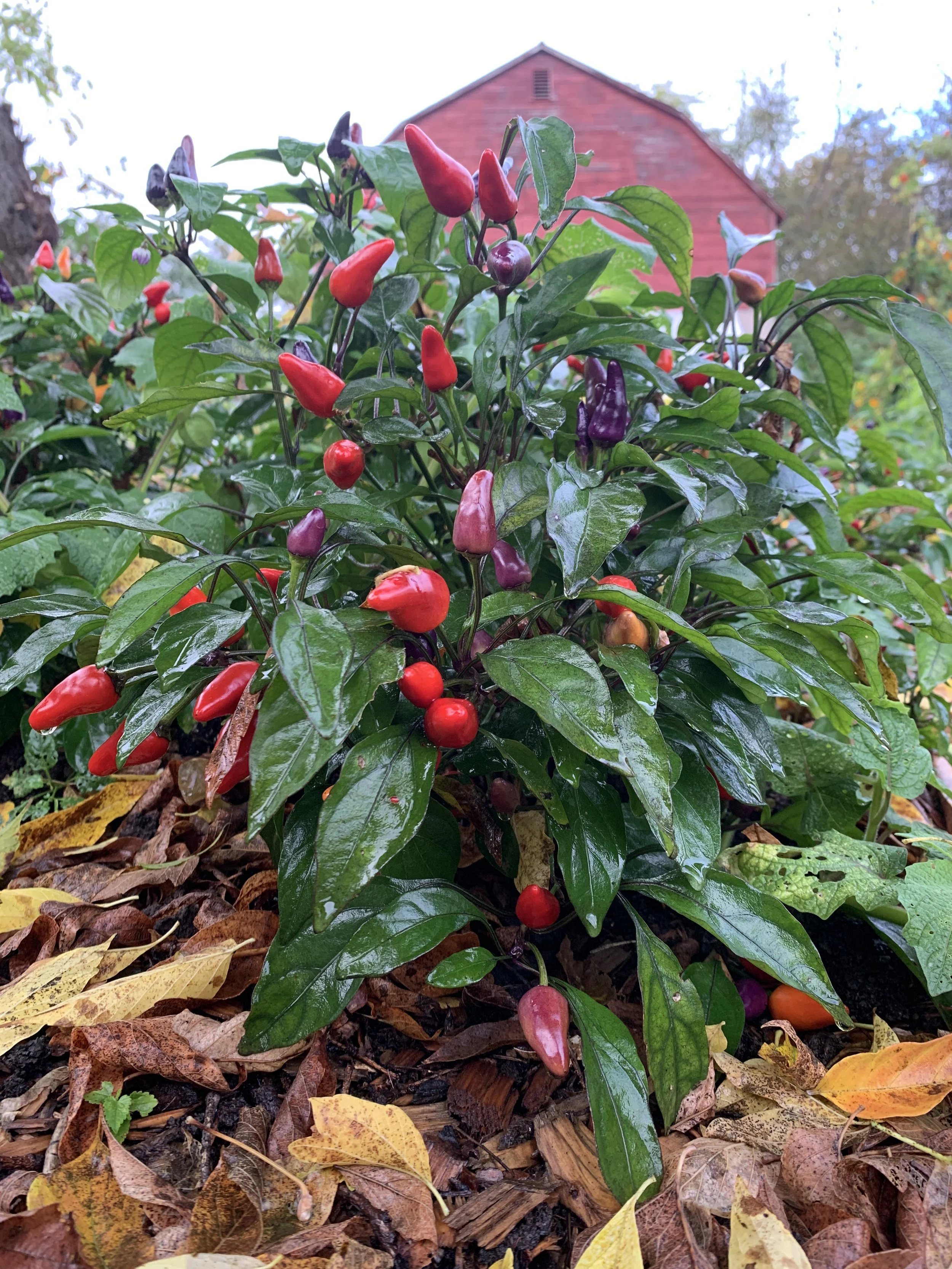

Aurora Peppers
These 1-2inch hot peppers start off vibrant purple and turn yellow and orange before ripening to a bright fiery red. The plant itself is a stunning dwarf ornamental that only grows about a foot tall. It thrives in containers or in the ground. The peppers are medium hot and make the best homemade red pepper flake we’ve ever had.
Because they’re thin walled, they dry great when left whole just sitting on a baking rack on the kitchen counter. If you’re putting them in a dehydrator, remove the stem and cut them in half. We like to store the dried fruits either whole or halved in pint jars and then crush them right before use, which creates a really fresh pepper flavor.
Yields are prolific throughout the season with first fruits ripening approximately 60-75 days from transplant. We’ve loved this plant as much in zone 5b as we did living in 9b. We like to start our Aurora seeds in mid-February.
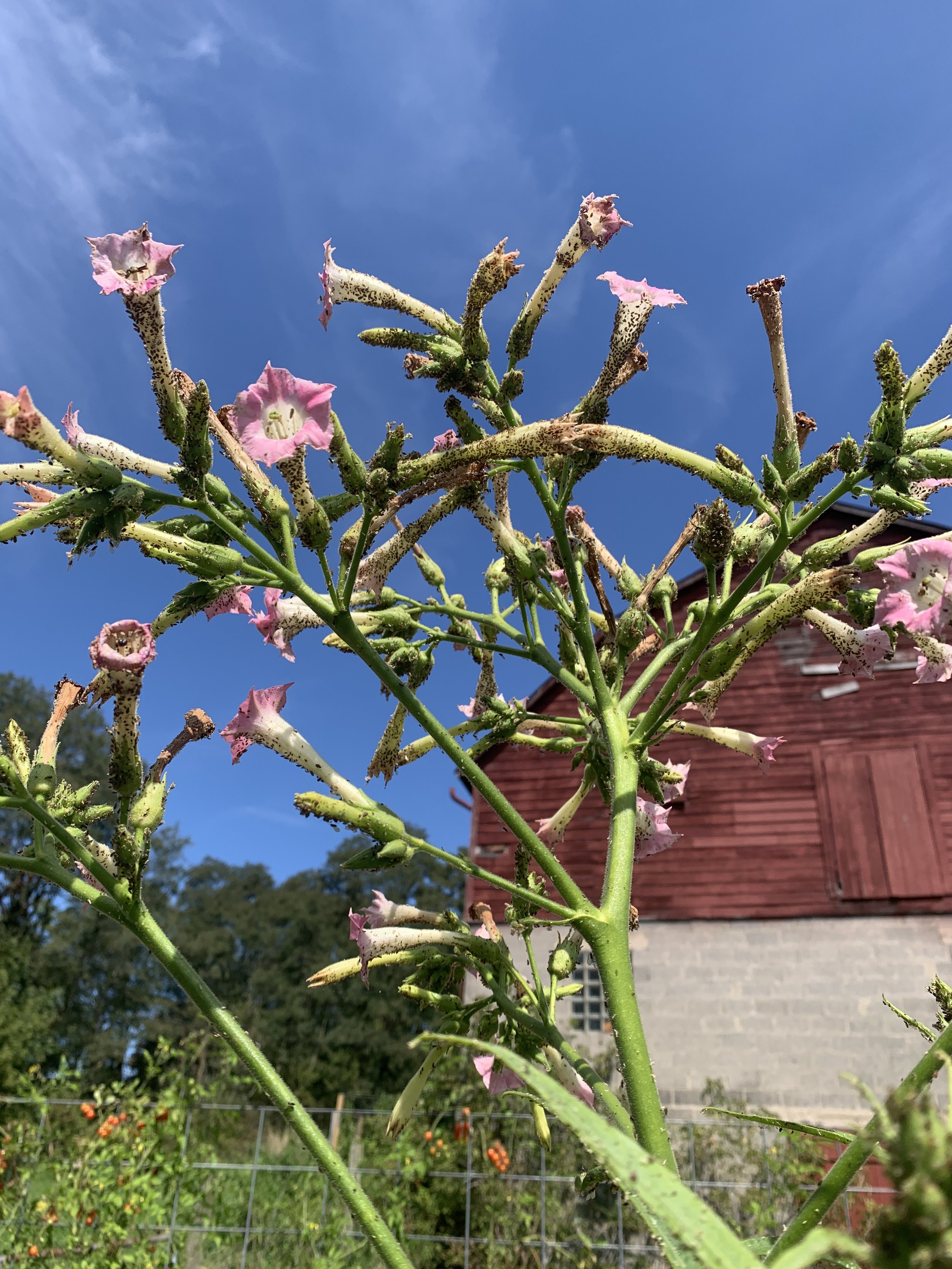
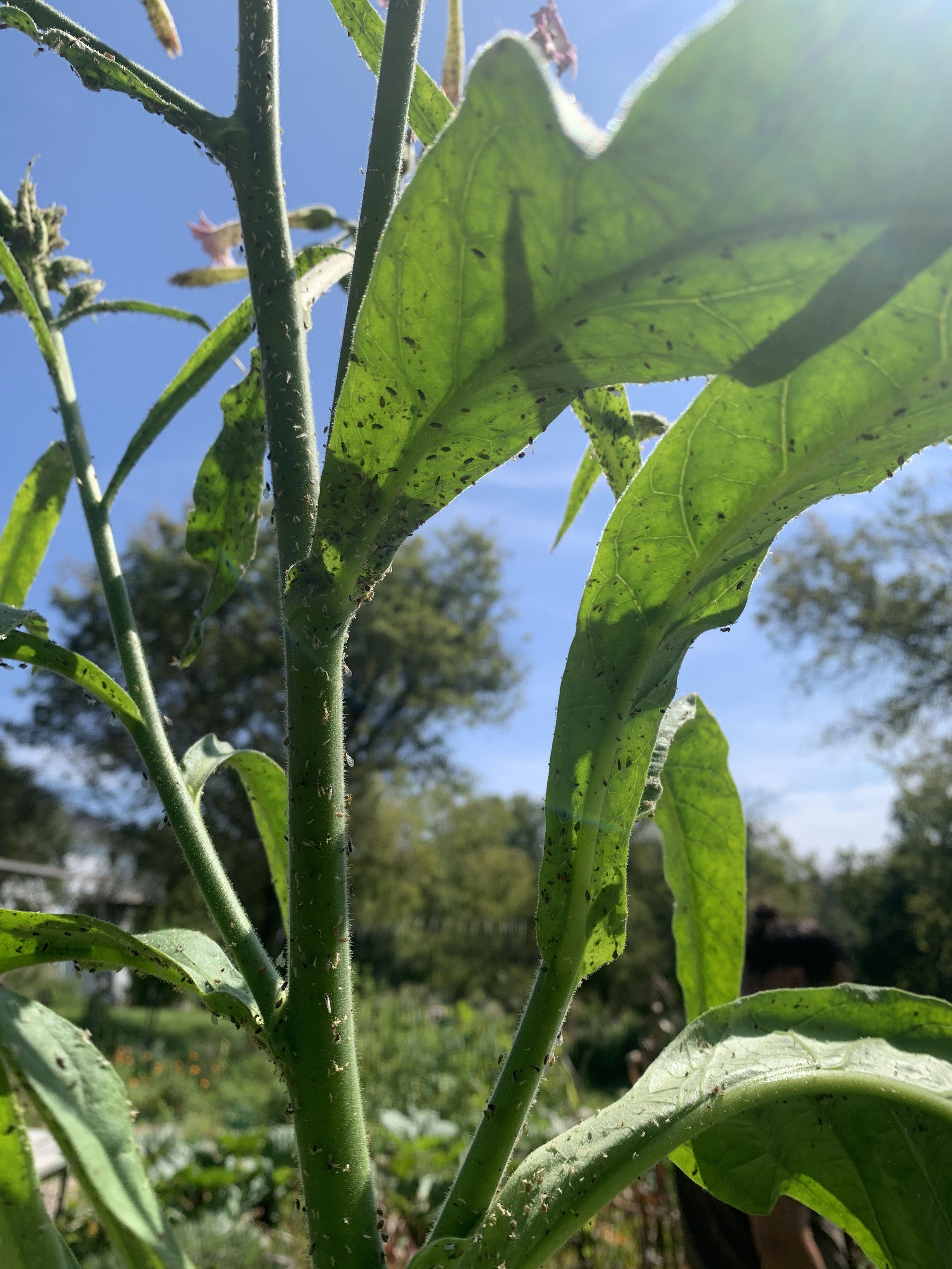
Virginia 116 Tobacco
We grow this stunning tobacco plant as a trap crop for aphids. What’s really neat about Tobacco in the garden is that aphids stick to the flowers and stems, becoming trapped and killing them with its sticky leaves and nicotine. We haven’t seen any other pests be effected by the Tobacco and it does wonders at keeping our aphid population in check, letting our peppers and nasturtiums thrive in a no-spray environment. Bees enjoy the flowers and are unharmed by the plant.
Tobacco is surface sown, and takes a bit of attentiveness to start from seed- but the impact on the health of our plants and soil is worth it! It also takes up a lot of space- we like to give it 2-3 square feet at a minimum.
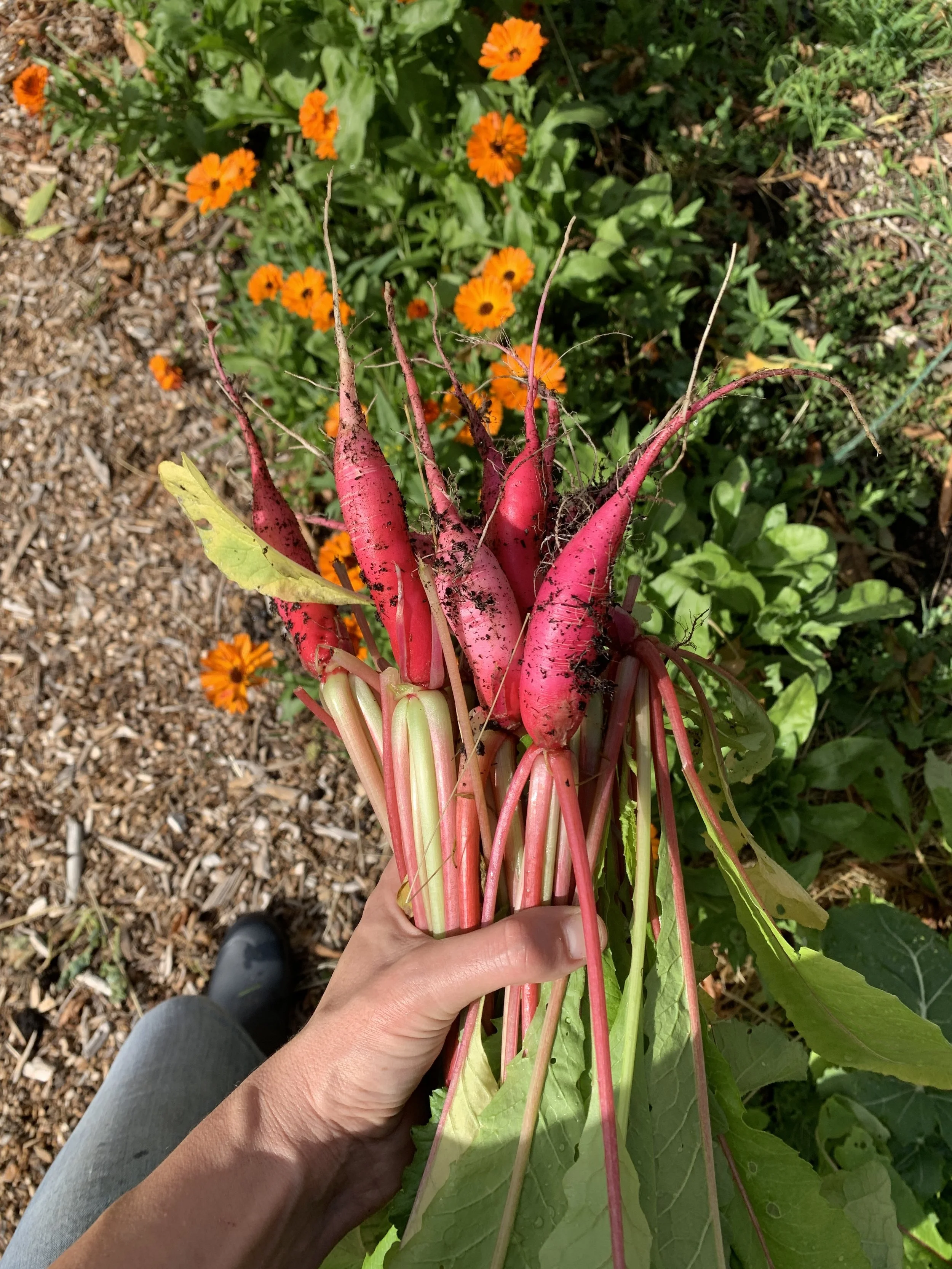
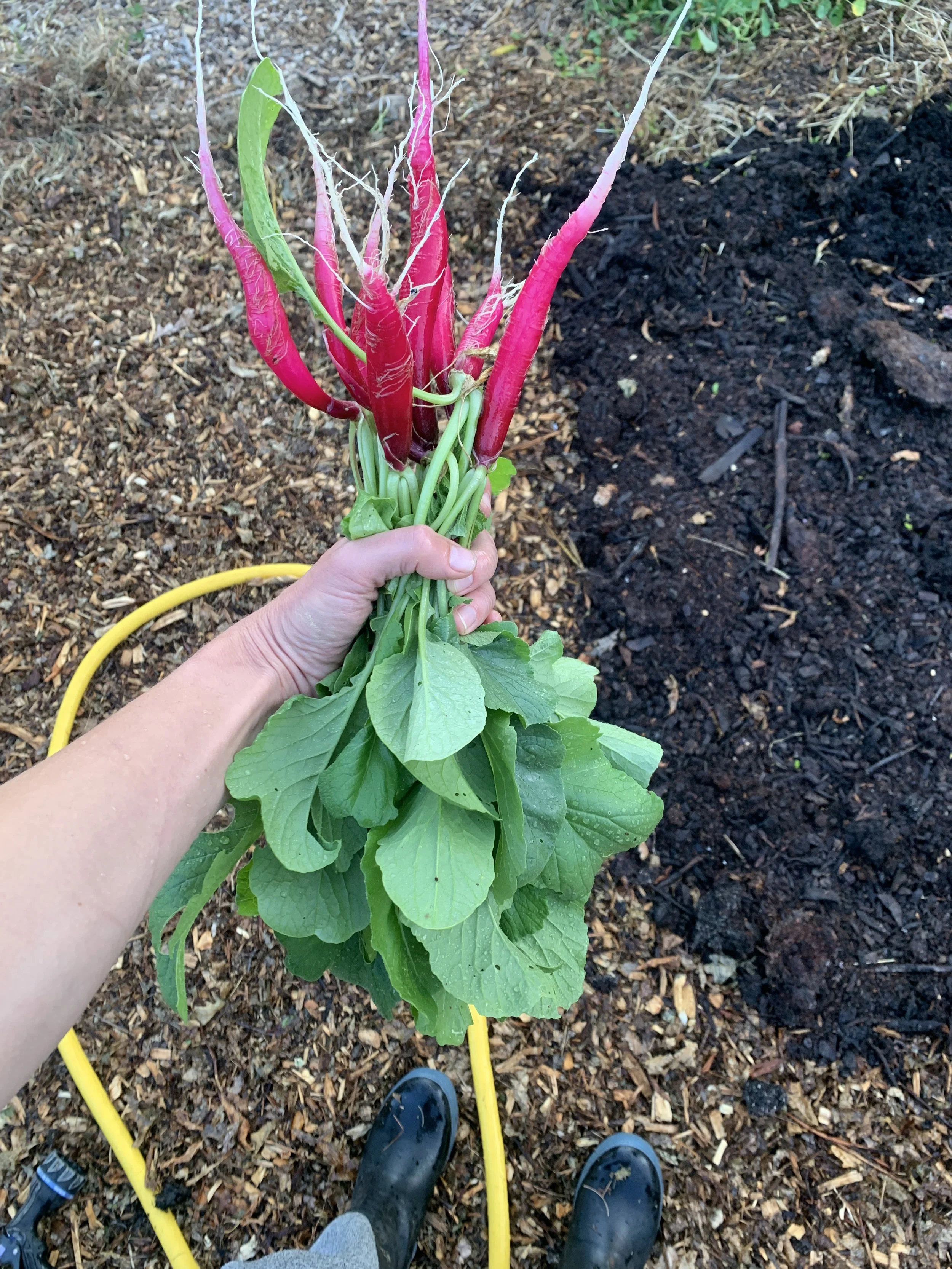
Cincinnati Market Radish
This radish has incredible flavor and vibrant color. Because it grows long and skinny, we can grow more of them in a smaller space improving yields per square foot. They do a great job loosening compact soil and are usually our go-to first crop in any new beds. The greens taste great when they’re young. This radish does well for us grown outdoors 3 seasons of the year since 2022, and did well grown in a greenhouse in the winter during a single trial.
They go from directing sow to harvest in about 25-30 days, and seem to hold reasonably well in the ground once ready. We love these for fresh eating and like to cut them into match sticks like a carrot and keep them in the fridge for ease of snacking- great with hummus and with tzatziki.
We also like to ferment them in quart-sized jars and then store them in the fridge for winter- because radishes stay way crispier than cucumbers when pickled! Adding half an aurora pepper and some garlic gives these radishes a nice heat and burst of flavor.

Federle Tomato
This is another indeterminate (vining) tomato and, after YEARS of trials and experimenting to find a sauce tomato we truly love, this is now our go-to sauce tomato. We love its flavor, it has very few seeds, and it’s a large meaty sauce tomato that doesn’t seem to get mealy. Excellent yields. Because it has a low water content, we don’t have to simmer our sauces for quite as long to get a nice thick texture- which we love. And, the peels come right off when baked in the oven on a cookie sheet- we then dehydrate the peels and use them as a tomato peel powder all winter long. The flavor of the Federle peels is icing on the cake- we use our tom peel seasoning almost daily- it’s just that good. 10/10 recommend.
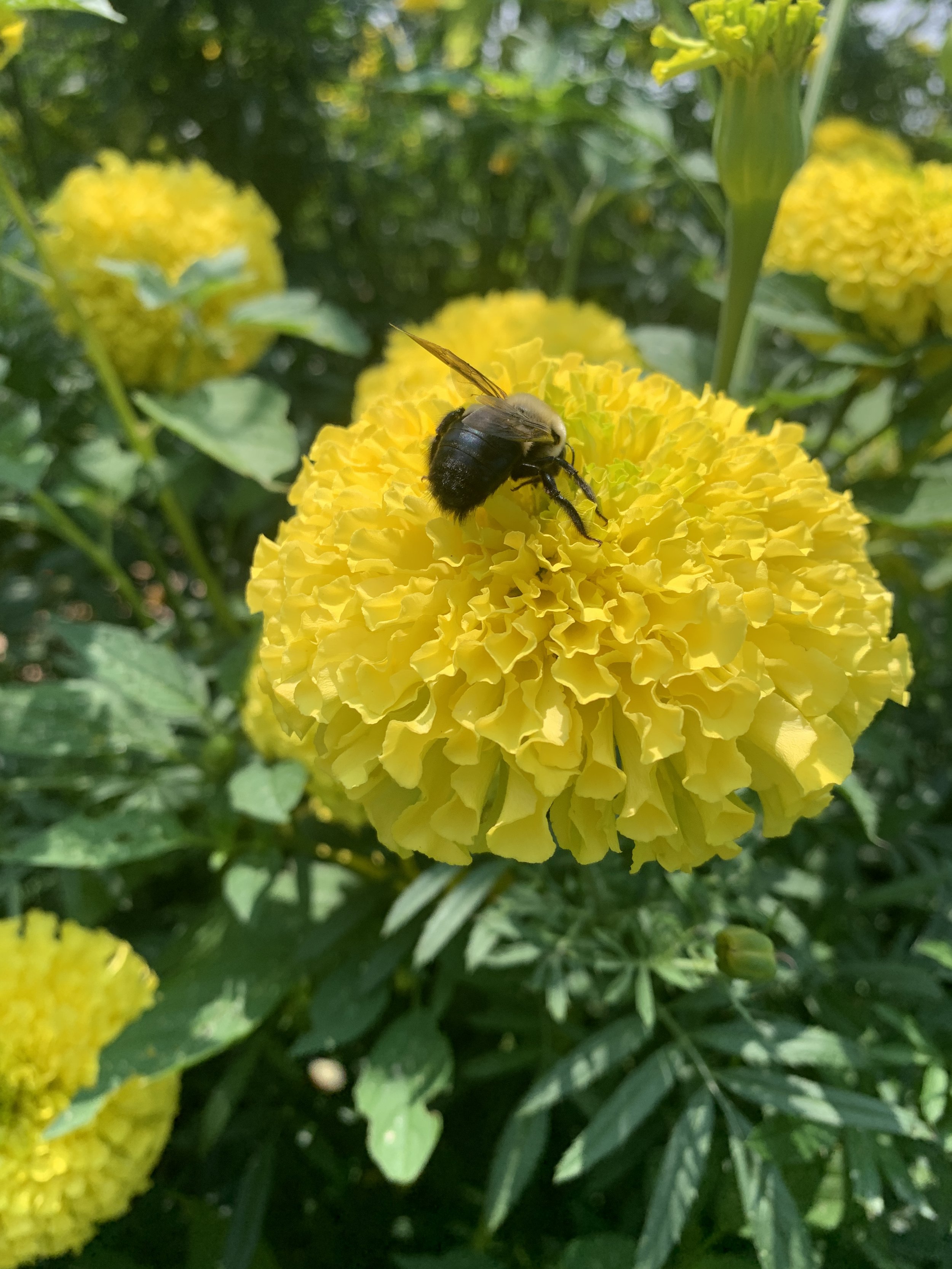
Giant Marigolds
Think of these as a tall, rotund, marigold bush. They make a stunning upright bounty of flowers that attract pollinators, are edible, and make a vibrant cut flower bouquet. They come in yellow and orange.
While our chickens love eating regular marigolds, they don’t seem to like the giant marigolds- apparently these don’t pass the chicken taste test. Since we grow them for aesthetics, pollinators, and cut flowers- not for chicken snacks, this isn’t a dealbreaker for us. We grow calendula for the chickens and compost out spent giant marigold flowers and greenery.
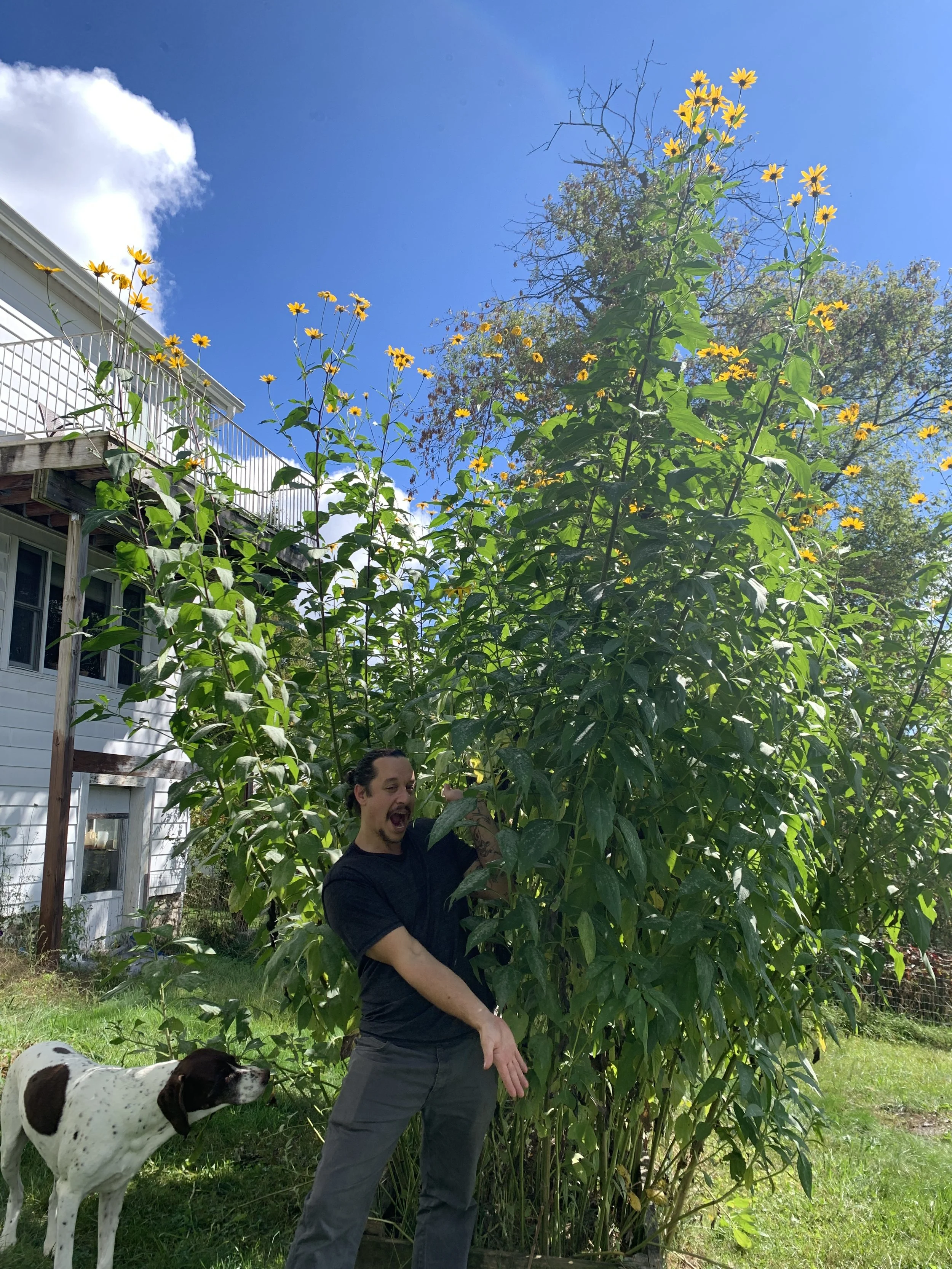
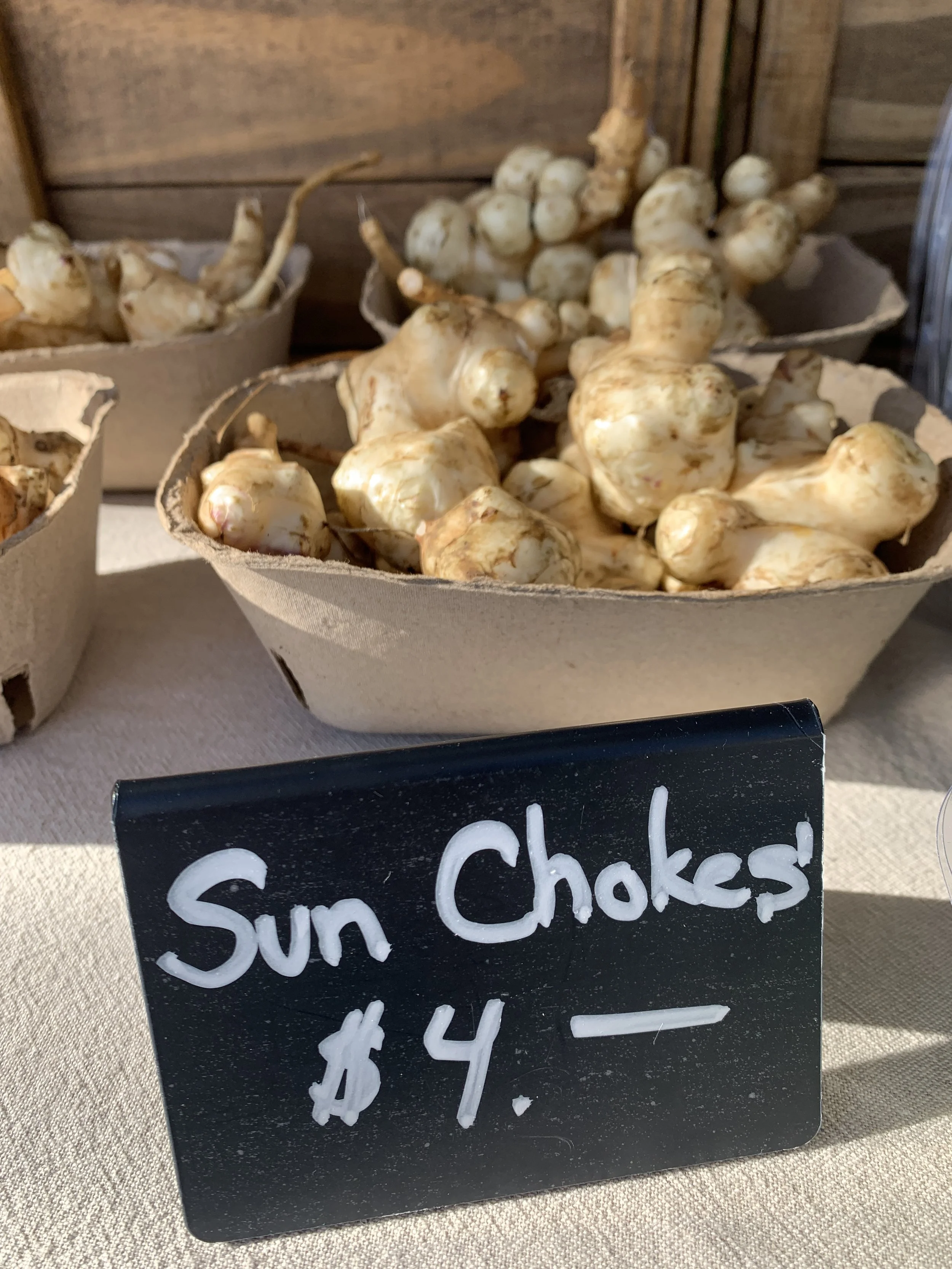
Sunchokes
A quintessential homesteader crop, also known as Jerusalem Artichokes, fartichokes, or toot-roots. They’re a true fall garden treasure. They’re a nutty tuber rich in iron, potassium, and inulin- a pre-biotic fiber thats an incredible way to give your gut health a boost coming into fall and winter. Ours often grow 9 - 12 feet tall and are a fall planted crop much like garlic- here’s our guide to planting and cooking sunchokes. We sell them each year at the Tunkhannock Farmers Market at Creekside Gardens. You’ll also find them available for sale online, though you’ll want to buy them in fall and plant them right away.